The Research Catalogue (RC) is a non-commercial, collaboration and publishing platform for artistic research provided by the
Society for Artistic Research. The RC is free to use for artists and
researchers. It
serves also as a backbone for teaching purposes, student assessment, peer review workflows and research funding administration. It strives to be
an open space for experimentation and exchange.
recent activities <>
PD Arts + Creative Symposium 2025
(2026)
PD Arts + Creative
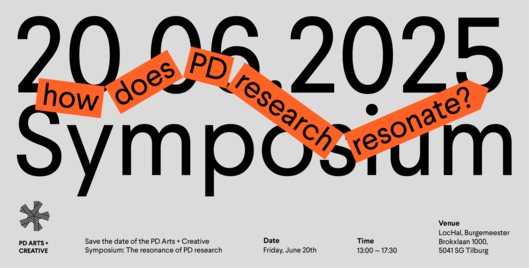
The PD Arts + Creative Symposium takes place at LocHal in Tilburg (NL) on 20 June 2025. This year’s symposium will highlight the programme’s multidisciplinary character by zooming in on the diverse fields of practice that its researchers operate in, connect to, and impact. It asks where, how, and with whom does the PD-research resonate? And what is the contribution of artistic and creative research to societal challenges?
Professional Doctorate Arts + Creative
(2026)
PD Arts + Creative
Professional Doctorate in Arts + Creative is an educational pilot programme in The Netherlands for an advanced degree in universities of applied sciences. The PD program at an university of applied sciences is developed to train an investigative professional.
This portal is a platform for publishing artistic research generated by the PD candidates. Within the Professional Doctorate program, this portal will also be used as an internal tool for documentation. Only candidates who have been formally admitted to the PD Arts + Creative programme can connect with and contribute to this portal. For more information on how to apply, visit 'Who is part of the PD Arts + Creative programme' on our website

recent publications <>
Queer-identiteetti ja -tunteet lavalla, sen takana ja opetustyössä
(2025)
Timo Tähkänen
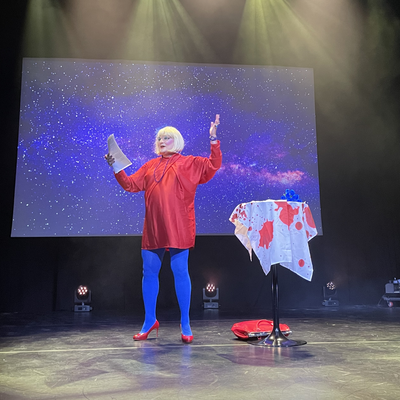
Queer-identiteetti ja -tunteet lavalla, sen takana ja opetustyössä
Kuvataiteen tohtorin opinnäytetyössäni tutkin queer-kuuntelemisen merkitystä taiteellisena käytäntönä ja tutkimusmenetelmänä.
Tässä ekspositiossa haastattelen drag alter egoani Maimu Brushwoodia, jonka kanssa keskustelen sukupuolesta, tunteista ja pedagogiikasta. Haastattelu perustuu tutkimukseni toiseen taiteelliseen osuuten, mikä oli drag-esitys, jonka esitin kahtena iltana Club Kiihko: Uuden toivon illassa Kulttuurikeskus Caisassa Helsingissä 27. ja 28.6.2024.
Ekspositiossa on haastattelun lisäksi drag-esityksen videotallenne ja kirjoitustehtävä, jonka tarkoitus on syventää esitykseni teemoja.
Herkistymisestä – Harjoitelmia ja suuntia veden-kanssa-kirjoittamisen taiteilijapedagogiikkaan
(2025)
Aino-Kaisa Koistinen, Susi Mikael Nousiainen
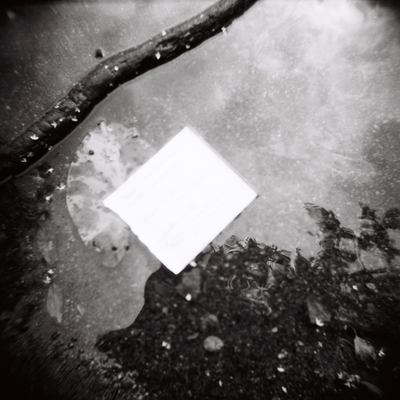
Tässä ekspositiossamme esittelemme veden-kanssa-kirjoittamisen praktiikkaamme kirjoittamisen taiteellisena tutkimuksena, poeettisena etsintänä. Veden-kanssa-kirjoittaessamme olemme tarkastelleet suhdettamme veteen, myös vesiin sisällämme, sekä yksilöllisesti että yhdessä erilaisia tekstejä tuottaen. Ekspositiossamme esittelemme tämän taiteellisen praktiikan tuotoksia sekä reflektoimme niitä poeettisia, poliittisia ja pedagogisia suuntia, joita veden-kanssa-kirjoittaminen voi avata – sekä meille että laajemmin, maailmalle. Teoreettisia lähtöhtiamme ovat feministinen posthumanismi ja uusmaterialismi sekä niiden piirissä harjoitettu hydrofeminismi. Lisäksi suhteutamme veden-kanssa-kirjoittamista keskusteluihin feministisestä pedagogiikasta, taiteilijapedagogiikasta ja ympäristöpedagogiikasta sekä veden merkityksistä kirjallisuudessa. Uskomme, että runouden avulla voi kielentää sellaisia kokemuksia, joita on muutoin vaikea muotoilla sanoiksi. Väitämme, että hankalasti sanallistettavien kokemusten poeettinen kielentäminen tuottaa ymmärryksiä ihmisten suhteista enemmän-kuin-inhimilliseen, kuten siitä, miten tehdä taidetta muuttuvassa maailmassa, eettisessä suhteessa enemmän-kuin-inhimilliseen.
In English:
"On Becoming Sensitized - Practices and Orientations for Writing-with-water as Artist Pedagogy"
In this exposition, we explore what we call 'writing-with-water', a practice of artistic research in writing, a "poetic search". While writing-with-water, we have explored our relationship(s) with water – including the waters within us – both individually and together, producing different texts. Here, we share our artistic explorations and reflect on the poetic, political, and pedagogical directions our artistic practice and research opens up. Our theoretical starting points are feminist posthumanism and new materialism, but we also discuss our method in the context of hydrofeminism (as part of the aforementioned theoretical frameworks), feminist pedagogy, artist pedagogy, and environmental pedagogy, as well as the literary meanings and uses of water. It is our belief that through poetic practices and explorations, it is possible to express experiences that are otherwise difficult to put into words. We claim that these experiences, and the ways they are expressed in poetic language, can lead to better understandings of human relationships with the more-than-human; including how to make art ethically with the more-than-human in our rapidly changing world.
Everything is Here – On Nomadic Scenographic Learning in Everyday Environments
(2025)
Raisa Kilpeläinen
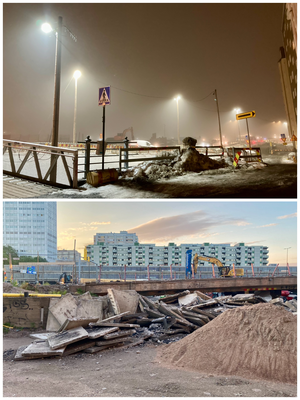
This exposition aims to examine the found and experienced environments as an impulse for artistic and pedagogical potentials in performance design. The writer asks, what kind of performance design could be created through scenographic worlding? The exposition presents a research approach to the urban, built environment, which is seen as an impulse, a constant and ongoing potential for performances and performance designers’ work. The topic is contributed with photographs from the writer’s site-sensitive memos. This approach offers perspectives on contemporary scenography and its theories. It is situated in the field of art-based action research, and the intention is to combine performing arts, performance design, visual arts, and pedagogy. The exposition highlights that an observational, experiential, and environmentally oriented way of working may prove more useful in the future; designers encounter applied and nomadic forms of performance design in their careers. How can we create more sustainable performance design, encourage ecocreativity and work towards more sustainable pedagogy?