The Research Catalogue (RC) is a non-commercial, collaboration and publishing platform for artistic research provided by the
Society for Artistic Research. The RC is free to use for artists and
researchers. It
serves also as a backbone for teaching purposes, student assessment, peer review workflows and research funding administration. It strives to be
an open space for experimentation and exchange.
recent activities <>
Deeper Canine Topographies: Inhabiting shared spaces, micro-geographies, and micro-choreographies of companion animal world-making.
(2026)
O'Brien and O'Brien
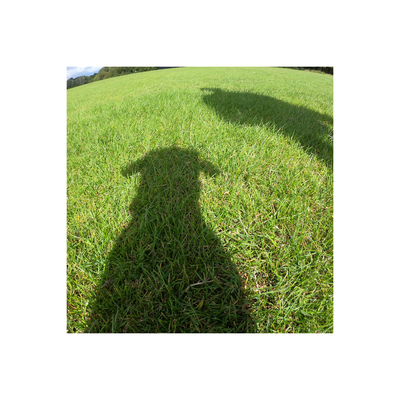
Following on from my PhD research, Deeper Canine Topographies continues to explore human-canine cartographies, rhythms, repetitions,micro geographies and relational choreographies towards a proposal for future research.
MA seminar on Artistic Research-25
(2026)
Geir Harald Samuelsen
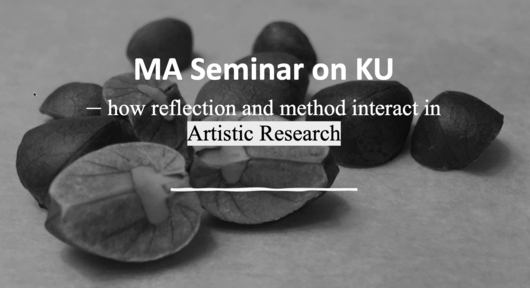
MA Seminar – Reflection and Method in Artistic Research
This MA seminar explores how reflection and method intertwine in artistic research. Through a series of presentations and discussions, the seminar examines how artistic processes can generate knowledge and how this knowledge may be articulated and shared.
Invited speakers – Marsha Bradfield (Central Saint Martins, London), Sergej Tchirkov (University of Bergen) and Jostein Gundersen (University of Bergen) – each present distinct approaches to artistic research, spanning visual art, music, and interdisciplinary practice. Their contributions highlight the diversity of methods and the critical importance of situated reflection within creative practice.
The seminar concludes with a collective panel conversation focusing on how artistic research can balance openness and rigour, intuition and analysis, collaboration and individual voice.
How to give the body a voice: map of the research
(2026)
Johana Jurášová, Filip Novák
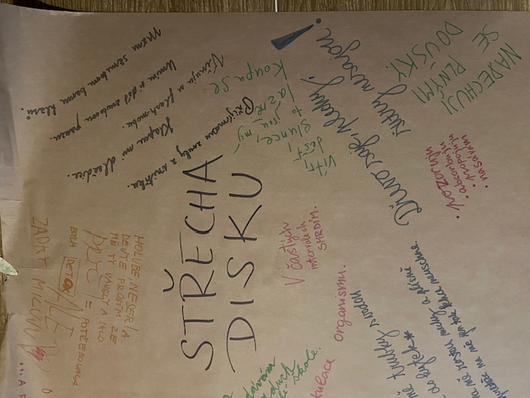
This exhibition presents the context, process, and conclusions of the artistic research project Imagination as a Tool for Change in Shared Space, carried out at DAMU. At the heart of the research is the question: How can we give the body a voice? In other words, how can we invite bodily perception and imagination into the process of decision-making and exploration, while at the same time perceiving these qualities as fully-fledged mediators of information? The backbone of the research consists of a pair of workshops designed to guide students through the exploration and reflection on the theme of the chill zone at DAMU. A series of exercises aimed to awaken their somatic and sensory perception, followed by an exploration of spaces designated for rest, and finally imaginative exercises with the aim of proposing possible changes or forms for the spaces.
The exhibition presents the individual layers of the project:
1) In the contextual layer, we acquaint readers with our personal starting points (chapter: Medallions), with the theoretical and practical-experiential foundations on which we consciously build (chapter: Introduction), and with methodological procedures (chapter: Methodology).
2) At the center is the documentary layer, which describes the structure of the workshops, the creative outputs of the participants, and a chronicle mapping the transformation of the research team's thinking, documenting the lively dialogue between the discourses of transformative pedagogy and embodied learning in acting and authorship.
3) The layer of findings and conclusions identifies two fundamental qualities: (a) the concept of "sensitized researchers", in which bodily and sensory perception provides a full report on the surrounding world, and (b) the situation of being in the imagery, in which working with the imagination offers possible proposals for change. In conclusion, we look back at the reasons for the changes in the original research questions and consider further possible directions for research.
Tato expozice prezentuje kontext, proces a závěry uměleckého výzkumu Imaginace jako nástroj změny ve sdíleném prostoru realizovaného na DAMU. V centru výzkumu stojí otázka: Jak dát tělu hlas? Neboli jak do procesu rozhodování a zkoumání přizvat tělesné vnímaní a imaginaci a jak zároveň tyto kvality vnímat jako plnohodnotné zprostředkovatele informací. Páteř výzkumu tvoří dvojice workshopů, které byly navrženy tak, aby studující provedly zkoumáním a promýšlením tématu chill-zóny na DAMU. Série cvičení směřovala k probuzení jejich tělesné a smyslové vnímavosti, následně ke zkoumání prostor určených pro odpočinek a v závěru k imaginativním cvičením s cílem navrhnout možné změny či podobu prostor.
Expozice představuje jednotlivé vrstvy projektu:
1) V kontextová vrstvě seznamujeme čtenáře s našimi osobními výchozími pozicemi (kap. Medailonky), s teoretickými a prakticko-zkušenostními východisky, na které vědomě navazujeme (kap. Úvod), a s metodologickými postupy (kap. Metodologie).
2) V centru stojí dokumentární vrstva přibližující strukturu workshopů, kreativní výstupy účastnictva a kroniku mapující proměnu myšlení výzkumného týmu, dokládající živý dialog mezi diskurzy transformativní pedagogiky a vtěleného učení k herectví a autorství.
3) Vrstva zjištění a závěrů identifikuje dvě zásadní kvality: (a) koncept „zcitlivělé výzkumnictvo“, kdy tělesné a smyslové vnímání přináší plnohodnotnou zprávu o okolním světě, a (b) situaci bytí v představě, kdy práce s imaginací nabízí možné návrhy ke změně. V závěru se ohlížíme za důvody změn původních výzkumných otázek a promýšlíme další možné směřování výzkumu.
recent publications <>
Costume Dramaturgies
(2026)
Christina Fossaas Lindgren, Charlotte Østergaard
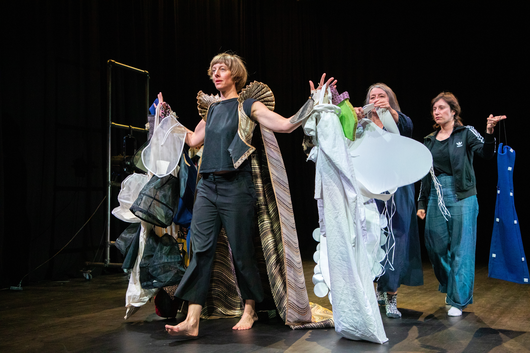
With the artistic research project Costume Dramaturgies we explore the dramaturgy that emerges when performance takes an unconventional starting point: a costume – a thing. By approaching dramaturgy as an assembly of things, we shift perspective from the human to the non-human, giving agency to costume, props, and light in performance. We argue that the dramaturgy of things remains an under-researched area in the performing arts.
The one-year project is funded by Stockholm University of the Arts and brings together 12 researchers from costume design, dramaturgy, mime acting, LARP, film direction, theatre studies, scenography, and performance art. This multi-perspective, poly-vocal approach aims to generate a nuanced understanding of dramaturgy of things, and includes workshops based on devising methods—most notably the Costume Jam Session, where participants interact with costumes through chains of action, followed by reflection on the dramaturgy that emerges. The project is a continuation of the artistic research project Costume Agency.
The Opener - sharing the performer’s process
(2026)
Einar Røttingen

The Opener - sharing the performer’s process was a one-year artistic research pilot project (March 2024 - March 2025) funded by strategic funds at the Faculty of Fine Arts, Music and Design, University of Bergen. It was part of the Grieg Academy Research Group for Performance and Interpretation (GAFFI) together with external members from The Academy of Performing Arts in Bratislava. The project consisted of 8 sub-projects and educational activities, involving different instruments: piano solo, violin, duos with voice and piano, clarinet, accordion and guitar.
The term opener can in this project proposal symbolize a three-fold meaning connected to the music performance field. This project seeks to
- see the performer as an opener of musical meaning in a performance (interpretation of musical intentions in scores and improvisation)
- challenge ourselves as performers as openers that share his/her artistic work (getting insight into the creative process and methods)
- finding openers as tools to reveal and show the creative process of performers (ways of showing the artistic process)
THIS IS IT
(2026)
Federico Federici
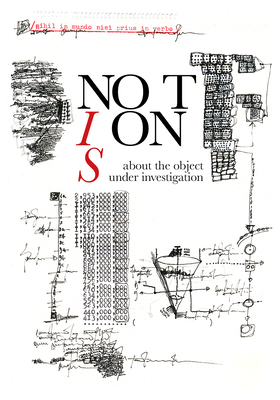
“Objects under investigation” is a collection of separately conceived works addressing the problem of the text as medium and, more broadly, mediality in art from an experimental perspective. The term object[s] functions as a neuter reference to the text both as a phenomenon and as a product in itself. It evokes the idea of something that can be physically handled, without implying a necessarily physical object.